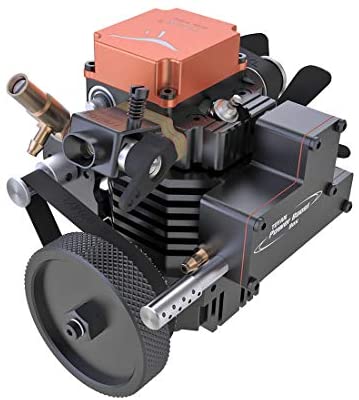
RC Engine 4 Stroke Methanol Engine DIY Motor for Scale RC Models
Introduction to the RC 4-Stroke Methanol Engine
If you’re an RC hobby enthusiast, you already know the thrill of bringing tiny machines to life. One of the most exciting ways to elevate that experience is by using a 4-stroke methanol engine. These engines deliver realistic performance, authentic sound, and a mechanical complexity that makes the whole hobby even more rewarding.
What Makes 4-Stroke Engines Unique
Unlike 2-stroke engines, which fire every revolution, a 4-stroke engine completes an entire power cycle in four stages—intake, compression, combustion, and exhaust. This gives smoother operation, a deeper exhaust note, and improved fuel efficiency.
Why Methanol Engines Remain Popular in RC Hobby
Methanol fuel burns cleanly, provides strong power output, and keeps engine temps manageable. It’s a long-time favorite for RC racers, scale builders, and educators due to its reliability.
Product Overview
Compatible RC Model Scales (1:10, 1:12, 1:14)
This 4-stroke DIY methanol engine is perfectly sized for 1:10, 1:12, and 1:14 scale RC cars, boats, and even small aircraft. Whether you’re building a drift car or a mini speedboat, it fits with ease.
Applications Across Cars, Boats, and Airplanes
One of the coolest things about this engine is its versatility. With the right mount and tuning, it works effortlessly in:
-
RC touring cars
-
RC off-road vehicles
-
Model boats
-
Small lightweight airplanes
-
Educational mechanical models
Recommended Age Group (14+ Years)
Because of the engine’s mechanical nature and the need for careful handling, it’s best suited for hobbyists aged 14 and older. Teens and adults alike can enjoy assembling and operating it safely.
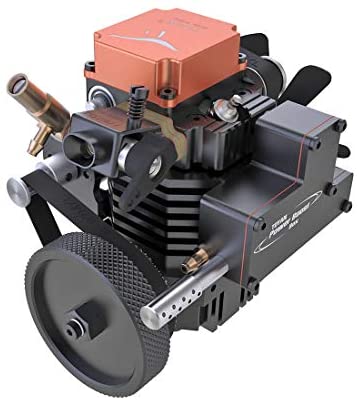
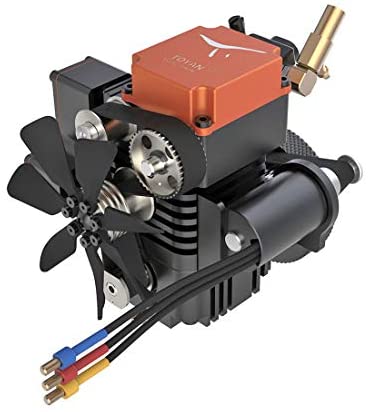
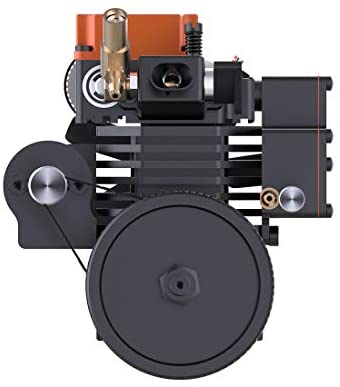
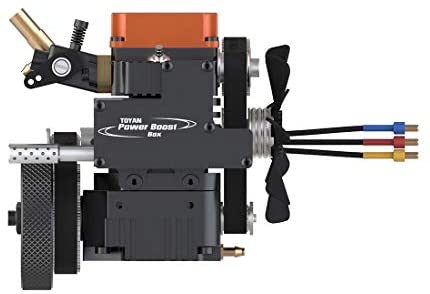
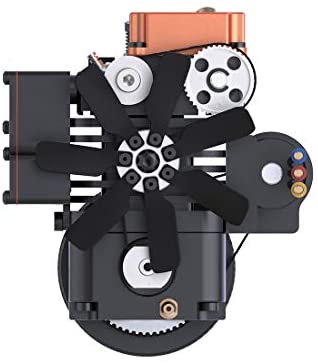
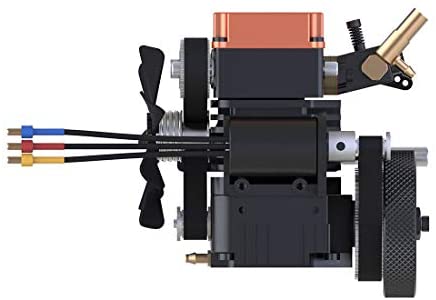
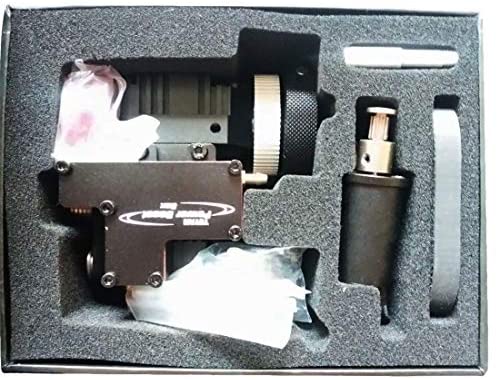
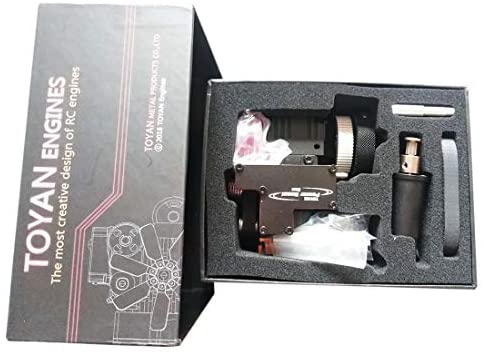
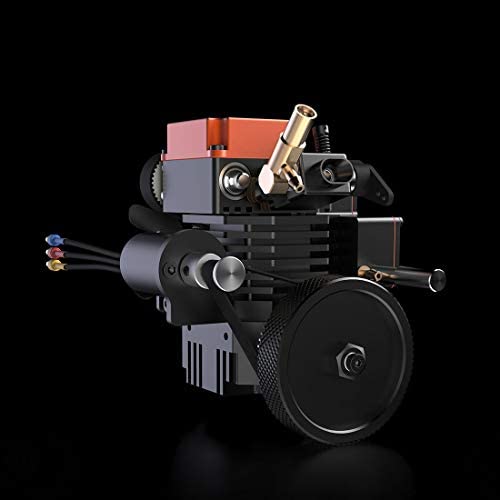
(as of – Details)

Key Features of the RC 4-Stroke Methanol Engine
Precision Engineering and Structure
This DIY engine is crafted with high-quality metal components, tight tolerances, and a realistic mechanical layout. It mirrors the operation of a full-size 4-stroke engine—just scaled down.
Realistic Operation for Hobbyists
The moving pistons, rotating crankshaft, and authentic firing cycle give a lifelike feel to any RC model.
Teaching and Demonstration Use
This engine isn’t just for play—it also works great as a classroom demonstration tool or a teaching aid for STEM programs.
Benefits of Using a 4-Stroke Methanol Engine in RC Models
Better Fuel Efficiency
Thanks to its firing cycle, a 4-stroke engine burns fuel more efficiently than 2-stroke designs.
More Realistic Sound and Performance
If you love that “miniature real engine” sound, this engine nails it. Deep rumble, smooth idle—everything feels like the real deal.
Longer Engine Lifespan
With proper care, 4-stroke engines tend to last longer due to reduced combustion cycle stress.
Installation Guide
Tools Needed
Here’s what you’ll typically need to install the engine:
-
Mini screwdrivers
-
Socket wrench set
-
Mounting brackets
-
Fuel line tubing
-
Methanol fuel
Step-by-Step Installation
-
Prepare the chassis – Make sure your RC model has enough room for the engine and accessories.
-
Attach the engine mount – Secure it tightly to avoid vibration.
-
Install the engine – Align the shaft and tighten the screws.
-
Connect the fuel line – Ensure a tight seal to prevent leaks.
-
Attach the throttle linkage – Tune it for smooth response.
-
Test run – Fire it up and check for vibrations or misalignment.
Common Mistakes to Avoid
-
Over-tightening screws
-
Misaligned throttle linkage
-
Loose fuel lines
-
Forgetting to prime the engine
Safety Notes and Precautions
Avoiding Fan-Related Injuries
A rotating fan can cause scratches or cuts. Keep your hands away from the fan during operation.
Heat Protection and Burn Prevention
The cylinder head gets extremely hot. Never touch it right after shutting off the engine.
Safe Operation Tips for Beginners
-
Keep loose clothing away from moving parts
-
Run the engine in a well-ventilated area
-
Always monitor fuel usage
Maintenance and Care
Cleaning the Engine
Use a soft brush and methanol fuel to clean carbon deposits and keep parts moving smoothly.
Proper Storage
Store in a dry, cool place. Drain the fuel tank to prevent moisture buildup.
Extending Engine Life with Regular Care
Perform routine lubrication, check seals, and tighten screws after every few runs.
Troubleshooting Common Issues
Starting Problems
If it won’t start, check:
-
Glow plug condition
-
Fuel line blockage
-
Carburetor settings
Performance Inconsistencies
Sudden RPM drops? Likely an air leak or dirty carburetor.
Overheating Issues
Overheating can result from:
-
Lean carburetor settings
-
Poor airflow
-
Low oil content in fuel
Why Choose a DIY Methanol Engine?
Educational Value
Perfect for anyone learning about mechanical engineering or combustion principles.
Customization Flexibility
Tune it, modify it, mount it anywhere—DIY engines offer endless possibilities.
Affordable Alternative to Pre-Built Engines
You get performance AND the satisfaction of assembling it yourself.
Final Thoughts
The RC 4-stroke methanol DIY engine is an excellent addition for RC enthusiasts, educators, and tinkerers. Its realistic operation, versatile compatibility, and hands-on assembly experience make it one of the most engaging engines you can use for small-scale modeling.
FAQs
1. Is this engine safe for beginners?
Yes, as long as safety guidelines are followed. It’s recommended for ages 14+.
2. Can I use this engine for RC airplanes?
Absolutely—just make sure your aircraft is appropriately sized and balanced.
3. What fuel does the engine use?
Methanol-based RC fuel, often with added lubricants.
4. How often should I clean the engine?
After every few runs or whenever you notice buildup.
5. Does the engine come fully assembled?
No, it’s a DIY kit, giving you the thrill of assembling it yourself.
(as of – Details)